
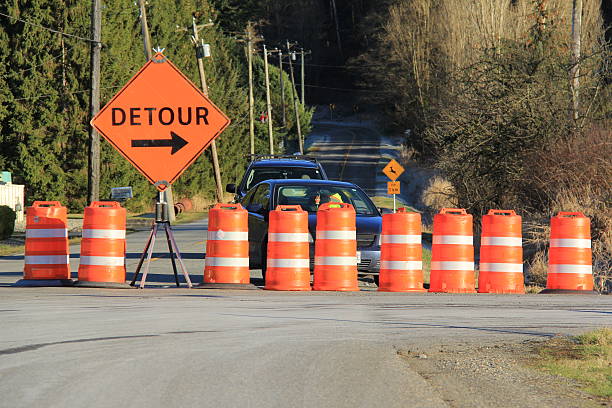
A well-planned work zone is typically the result of careful preparation, particularly when adjusting traffic patterns during project operations. But as noted, these projects can necessitate temporary alterations to existing traffic patterns that may impact travelers on the road, in their vehicles, or on foot, and anyone working alongside. Traffic Control Planning is an integral part of achieving a safe, orderly work zone in Salem and facilitating project movement through the area.
Assessing traffic conditions before implementation is one of the key aspects of Comprehensive traffic management planning services before starting any work. Traffic engineers evaluate configurations of streets, the number of cars on the road at any given time, vehicle speeds throughout the area, and intersections or sites pedestrians might be traversing. This provides information about the safest and most effective way to manage vehicle movement across the work zone.
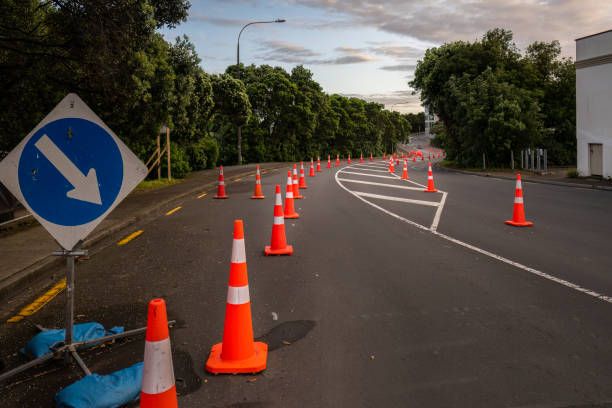
A traffic control plan is drafted and designed in a way that it should not confuse the drivers. Motorists may encounter unexpected changes with temporary lane closures, detours, and construction activities. Advance warning signs, traffic control devices, and routes clearly marked with proper signage provide drivers with information about how they can safely navigate through changing roadway conditions.
An additional major element of Traffic Control Planning in Salem is protecting workers operating near live traffic. Good planning lays out safe work areas, determines equipment placement areas, and locations of traffic control personnel. These help mitigate risks, along with encouraging successful project delivery.
But a vital element responsible for successful traffic management is communication as well. Every step of a project requires close coordination between project managers, contractors, traffic control personnel, and workers. Effective communication helps teams respond to changing conditions and manage the flow of traffic safely when things take an unexpected turn.
Technology has also improved traffic management practices. Real-time information about upcoming work zones is instantaneously provided to motorists via traffic monitoring systems, portable message boards, and digital warning devices. Such tools have enhanced awareness and facilitated informed decision-making amongst drivers prior to entering construction zones.
A traffic control plan will never be successful without public cooperation. Drivers should obey posted speed limits, follow traffic control instructions, and remain focused around work zones to help keep roads safe. Better driving practices not only mitigate incidents but also allow for the efficient completion of civil infrastructure works.
Traffic Control Planning is an ongoing process, so regular evaluations are another key component in Salem. Traffic control plans are continually updated throughout a project's duration, which may be impacted by weather conditions, the direction and volume of traffic flow, or the progress of construction activities. Having a continual assessment is an opportunity for the traffic-management teams to make adjustments, ensuring safety and efficiency.
Traffic Control Planning in Salem remains an important way to protect workers and the public as communities move forward with transportation improvements. With well-thought-out planning, effective communication, appropriate device placement, and ongoing monitoring, traffic control plans help create safer work zones and support successful project delivery.
To know more about Transportation safety planning solutions experts, please visit our website: westflag.com.